 By Andrew Armstrong
If you’re using SCCM for Operating System Deployment (OSD), one of the platform’s core functions, you’ll want a reliable way to monitor task sequences as they run, especially when troubleshooting a failure.
Finding your task sequence in the console
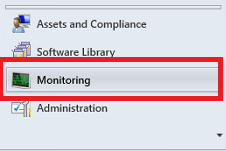
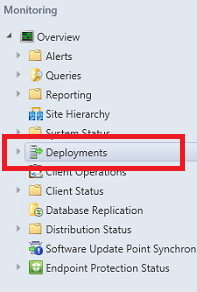
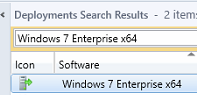
Open the Configuration Manager console and click the Monitoring workspace, then select Deployments from the tree. This lists every deployment, including your task sequences. Use the search box to filter down to the specific task sequence you want to watch.
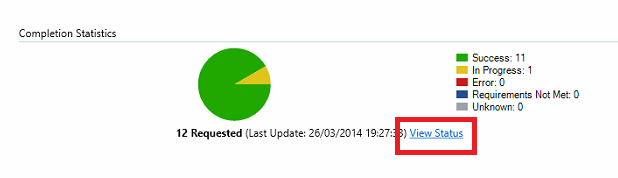
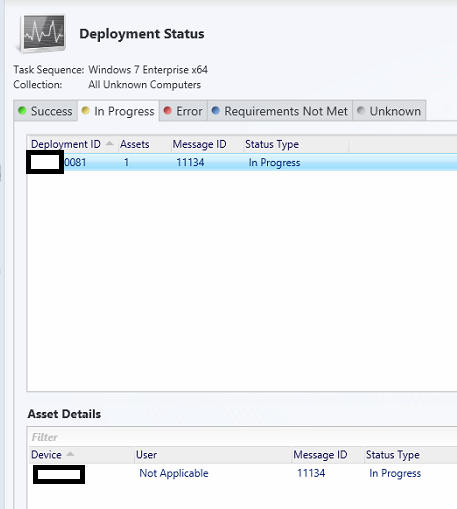
Once you’ve selected it, you’ll see a “Completion Statistics” pie chart along with a View Status link. Clicking View Status brings up a set of tabs:
- Success
- In Progress
- Error
- Requirements not met
- Unknown
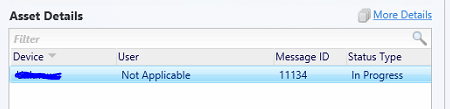
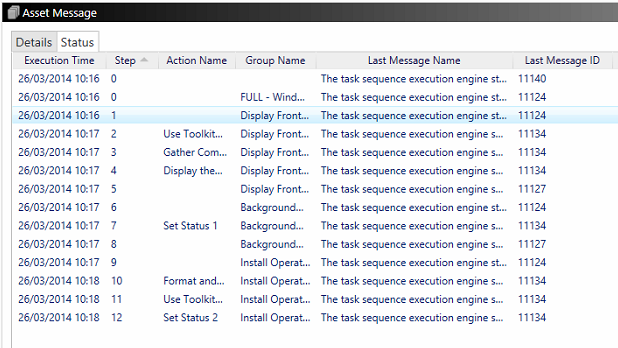
These are self-explanatory: if you’re watching a live deployment, the In Progress tab is the one you want. Selecting a tab lists the Device names currently in that state; highlighting a device and clicking “More Details” opens a dialog with a Status tab giving a step-by-step breakdown of exactly where that machine is in the sequence.
When a task sequence fails
The Status tab’s detailed breakdown will usually tell you which step failed and why, but for anything non-obvious your first stop should be the logs on the client itself. During deployment (before the OS has fully applied), smsts.log lives under X:\Windows\Temp\SMSTSLog or X:\SMSTSLog in WinPE; after the OS is applied it moves to C:\Windows\CCM\Logs\SMSTS.log. Open it with CMTrace (or the newer Configuration Manager Trace Log Tool) rather than a plain text editor: it colour-codes errors and warnings, which makes spotting the actual failure point far quicker in a long log.
Feedback
If you have any questions about this, please leave a comment below using our comments system.
Resources
Gear We Recommend
Testing configs is easier with a dedicated admin machine set up right. Here’s the kit we use.
Browse our Windows Admin Toolkit picks on AmazonAs an Amazon Associate, TechyGeeksHome earns from qualifying purchases.
Discover more from TechyGeeksHome
Subscribe to get the latest posts sent to your email.
