 By Andrew Armstrong
Update: Windows 10 reached end of support on 14 October 2025, and Microsoft’s free upgrade offer from Windows 7/8.1 (which this guide originally covered) expired years before that. If you’re planning an upgrade today, the target should be Windows 11, not Windows 10, see our Windows 10 End of Life, Planning Your Windows 11 Upgrade guide for current, supported steps.
Checking Windows 11 eligibility
Before attempting any upgrade, run Microsoft’s free PC Health Check app, which checks your hardware against Windows 11’s requirements, TPM 2.0, Secure Boot capability, supported CPU generation, and minimum RAM/storage, and tells you clearly whether an in-place upgrade is possible.
If your hardware doesn’t meet Windows 11 requirements
Machines that fail the eligibility check (commonly due to missing TPM 2.0 or an unsupported CPU) don’t have an officially supported upgrade path to Windows 11. At that point the realistic options are: replace the hardware, or continue running the current OS with the understanding that it’s no longer receiving security updates: which is a real risk for any machine with network or internet access.
For IT admins managing multiple machines
If you’re planning a fleet-wide upgrade rather than a single PC, our Windows 11 migration and OSD guides cover the supported, scriptable approach for deployment at scale: that’s the guidance to follow today rather than the manual single-machine process this post originally described for Windows 10.
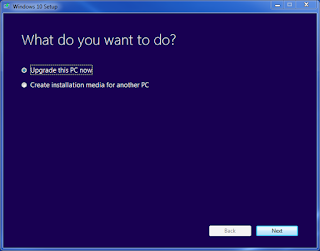
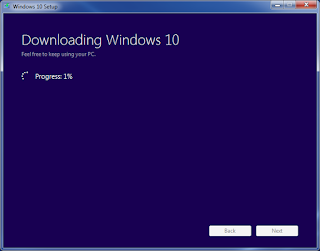
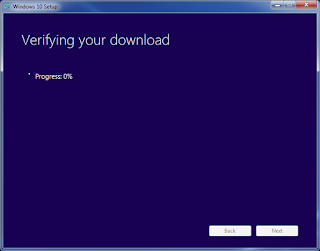
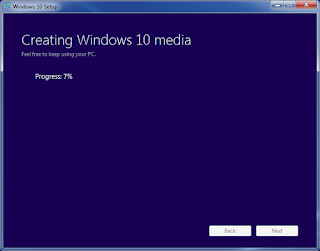
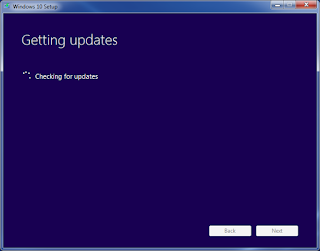
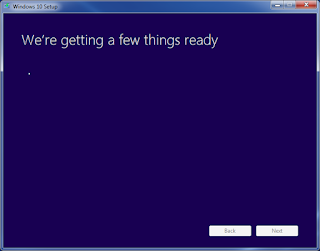
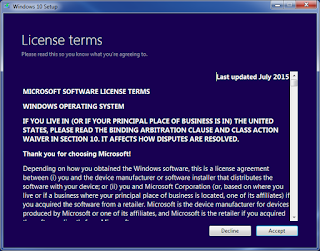
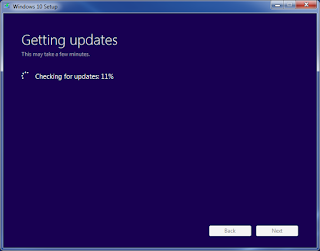
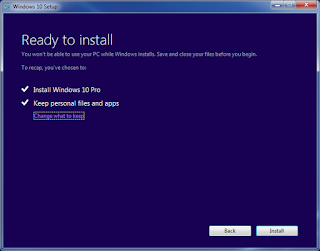
Screenshots: The Original Windows 10 Upgrade Wizard (Historical Reference)
These screenshots show the original Windows 10 upgrade wizard steps this guide was written for. They’re kept here for historical/reference purposes only: if you’re upgrading a machine today, follow the Windows 11 guide linked above instead.

Gear We Recommend
A few general tech accessories worth having alongside this.
Browse our General Tech Accessories picks on AmazonAs an Amazon Associate, TechyGeeksHome earns from qualifying purchases.
Discover more from TechyGeeksHome
Subscribe to get the latest posts sent to your email.
