If you have a Software Center in your SCCM environment, you will want it to look as professional as possible.
There are a number of ways to do this, one is to add your corporate name, setup your customise colours, but to top it all off, you can add an icon to each application.
There are a few ways that you can do this, but this guide details the way that I use, it may not be the best way, but it works for me so I thought I’d share it with everyone else.
First of all, you need to create an open share on a server, somewhere that all users have at least read access to. I have a distribution server for all my applications so I have created a new folder on this server and given read access to all Authenticated Users.
Then, you can use the following website to find almost any software icon that you may use in your application catalog:
Icon Archive
Once you have gathered your .ico file (remember to download the .ico files and not JPG’s etc..) you should place it into your open share folder. Once you have your icons ready, you can now add them to your applications in SCCM.
To do this, go into your SCCM Console and into your application. You should then go into the Properties and click the Software Center tab (this was called the Application Catalog tab in older console versions, before the standalone Application Catalog website was retired). At the bottom of this page, you will see an Icon area and you can then Browse to the location where you had previously saved your .ico file.
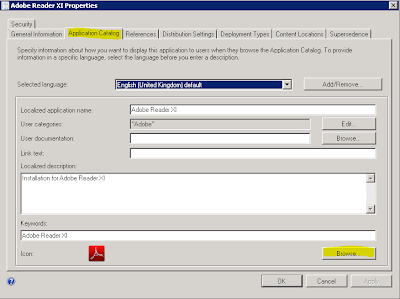
Once you have selected the correct .ico file for your application, it should appear as a little picture on this page as you can see above. When you are happy you have the correct one, click OK and then go back into your Software Catalog.
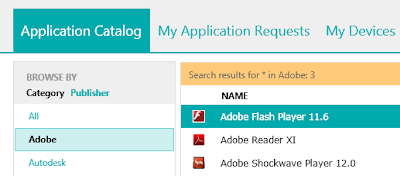
As you can now see from below, you should now have a professional looking icon in your software catalog which all your users should be able to see:
If you have any questions in relation to this blog post, please leave a comment and we’ll get back to you when we can.
Discover more from TechyGeeksHome
Subscribe to get the latest posts sent to your email.
 By Andrew Armstrong